
Mandelic Acid for Sensitive Skin: Benefits, Acne, Dark Spots & How to Use It
Posted by Andrea Sands - Founder on May 1st 2026
If you’ve ever tried an exfoliating acid and thought, “My skin hates this,” you may not need to give up on exfoliation altogether. You may simply need a gentler acid.
Meet mandelic acid—a type of alpha hydroxy acid (AHA) that’s becoming a favorite among people looking for smoother, brighter, clearer-looking skin without the harsh feeling they associate with stronger exfoliants.
Mandelic acid is especially appealing if you have sensitive, acne-prone, combination, mature, or easily irritated skin and still want the benefits of chemical exfoliation. If you're looking for a gentle skincare routine for sensitive skin, explore our Skincare Collection for more nourishing options.
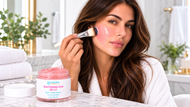
At Laguna Herbals, mandelic acid is a star ingredient in our Watermelon Jelly Mask, where we pair gentle resurfacing with hydrating ingredients for a fresh, dewy-looking glow.
What Is Mandelic Acid?
Mandelic acid is an alpha hydroxy acid (AHA) traditionally derived from bitter almonds.
Like other AHAs, mandelic acid works primarily on the surface of the skin, helping loosen and remove dead skin cells. This can help skin appear smoother, brighter and more even.
What makes mandelic acid different from some other popular AHAs is its larger molecular size.
Because it penetrates the skin slowly, mandelic acid is considered a gentler exfoliating option than smaller-molecule AHAs such as glycolic acid. That makes it particularly interesting for people who find stronger exfoliating acids irritating.
What Does Mandelic Acid Do for Your Skin?
Mandelic acid can be a multitasking ingredient for several common skin concerns.
1. Gently Exfoliates
Dead skin cells can build up on the surface of the skin, leaving it looking rough, dull or uneven.
Mandelic acid helps loosen that buildup so your skin can look smoother and fresher.
2. Helps Skin Look Brighter
When dull surface cells are exfoliated, healthier looking skin appears underneath.
With consistent use, mandelic acid can help improve the appearance of dullness and give skin a resurfaced, smooth and youthful finish.
3. Helps Improve the Look of Uneven Skin Tone
Mandelic acid is often used in skincare routines targeting uneven-looking tone and post-breakout discoloration.
By encouraging surface exfoliation, it will help skin look more even and luminous.
4. Helps With Congested, Acne-Prone Skin
Because mandelic acid exfoliates dead skin cells and can help reduce buildup, it may be useful for individuals prone to congestion and breakouts.
Research has also investigated mandelic acid for acne, including comparisons with salicylic acid peels.
5. A Gentle Option for Sensitive Skin
This is where mandelic acid really stands out.
If you’ve tried stronger exfoliating acids and experienced redness, stinging, tightness or peeling, mandelic acid is a more comfortable yet effective alternative.
Of course, “gentle” doesn’t mean irritation is impossible. Every skin type is different, so starting slowly and patch testing is always a smart idea.
6. Smooths the Look of Skin Texture
If your skin feels rough or looks uneven, regular gentle exfoliation can help improve its appearance.
Mandelic acid will reveal softer, smoother skin.
7. Gives Skin That Fresh “Glow”
Sometimes skin doesn’t need another complicated treatment.
It simply needs to shed some of the dull surface buildup.
That’s one reason mandelic acid has become such a popular ingredient for people wanting a smooth, fresh, healthy-looking glow.
Is Mandelic Acid Good for Sensitive Skin?
For people with sensitive skin, mandelic acid can be the best AHA option.
Its larger molecular size means it generally penetrates more slowly than other acids which may make it more tolerable for people who don’t do well with stronger exfoliants.
But sensitive skin still needs a gentle approach.
Start slowly avoid combining multiple strong exfoliating products at the same time, and always pay attention to how your skin responds.
Gentle skincare is still active skincare.
Is Mandelic Acid Good for Acne-Prone Skin?
Mandelic acid can be a useful ingredient for acne-prone skin because exfoliation helps remove dead skin cell buildup from the surface.
Research comparing mandelic acid and salicylic acid peels for mild-to-moderate acne found that both improved acne measures, while the mandelic acid peel was better tolerated in that study.
For everyday skincare, however, don’t confuse a cosmetic mandelic acid product with a professional chemical peel. Concentrations and formulations can be very different.
If you have persistent, severe or painful acne, a dermatologist can help determine the best treatment.
Mandelic Acid vs. Salicylic Acid
Mandelic acid and salicylic acid are both popular exfoliating ingredients, but they work differently.
Mandelic acid is an AHA, while salicylic acid is a BHA.
Salicylic acid is oil-soluble and is particularly useful for oily skin and clogged pores.
Mandelic acid works primarily at the surface and is often chosen for gentle exfoliation, uneven skin tone, texture and sensitive skin.
So which one is better?
It depends on your skin and your goal.
If your biggest concern is oily, congested pores, salicylic acid may be the better fit.
If you’re looking for gentle resurfacing and a brighter, smoother-looking complexion—especially if your skin is sensitive—mandelic acid may be worth trying.
How Often Should You Use Mandelic Acid?
If you’re new to mandelic acid, start slowly.
For a leave-on mandelic acid product, many beginners use it two evenings per week and increase gradually if their skin tolerates it.
For our Watermelon Jelly Mask, we recommend using it two times per week, or according to your skin’s tolerance, leaving it on for 10–15 minutes before rinsing.
After exfoliating, follow with hydrating skincare.
And don’t forget sunscreen during the day. Exfoliation can make skin more sensitive to the sun.
Can You Use Mandelic Acid Every Day?
You may see skincare products designed for more frequent use, but more isn’t necessarily better.
If you’re just starting out, there’s no reason to rush.
Begin a few times a week and allow your skin to adjust.
If your skin becomes persistently red, burning, unusually tight, flaky or irritated, take a break from exfoliation and simplify your routine until your skin feels comfortable again.
What Should You Avoid Mixing With Mandelic Acid?
Be careful about piling multiple exfoliating or potentially irritating products into the same routine.
Depending on your skin and the products you're using, this can include:
- Other AHAs
- Strong BHA products
- Retinoids
- Exfoliating scrubs
- Strong resurfacing treatments
You don't need every active ingredient at once to have beautiful skin.
Sometimes less is more.
How Laguna Herbals Uses Mandelic Acid
We chose mandelic acid for our Mandelic Acid Watermelon Jelly Mask because we wanted exfoliation to feel like part of a nourishing skincare ritual—not a punishment for your skin.
Our Watermelon Jelly Mask combines mandelic acid with hydrating and skin-loving ingredients including niacinamide and hyaluronic acid.
The result is a mask designed to help skin look:
- Smoother
- Brighter
- Fresher
- More hydrated
- More radiant
Shop the Watermelon Jelly Mask
Want to try mandelic acid for yourself?
Our Watermelon Jelly Mask is designed to gently resurface while helping skin maintain a hydrated, fresh-looking glow.
A Simple Mandelic Acid Skincare Routine
If you're new to mandelic acid, you don't need a complicated 10-step routine.
Try keeping things simple:
Morning
1. Cleanse
Watermelon Hydro Clean Gel Cleanser
2. Hydrate
Watermelon Drops Hyaluronic Acid Serum
3. Moisturize
Watermelon Hydro Glow Cream
4. Protect
Broad-spectrum SPF
Evening —
1. Cleanse
Watermelon Hydro Clean Gel Cleanser
2. Exfoliate (evening 2x week)
Watermelon Jelly Mask
3. Hydrate
Watermelon Drops
4. Moisturize
Watermelon Hydro Glow Cream or RENEW Face Oil Elixir
On nights when you aren't exfoliating, simply skip the mask.
Frequently Asked Questions About Mandelic Acid
Is mandelic acid good for sensitive skin?
Mandelic acid is generally considered a gentler AHA because of its larger molecular size and slower penetration. However, sensitive skin can still react to any active ingredient, so patch testing and gradual introduction are recommended.
Is mandelic acid good for acne?
Mandelic acid may help acne-prone skin by exfoliating dead skin cells and reducing buildup. Professional mandelic acid peels have also been studied for mild-to-moderate acne.
Does mandelic acid help dark spots?
Mandelic acid can help improve the appearance of uneven skin tone and post-breakout discoloration by encouraging exfoliation and surface renewal.
Is mandelic acid better than glycolic acid?
Neither is universally “better.” Glycolic acid penetrates more quickly, while mandelic acid penetrates more slowly and is often preferred by people with sensitive skin.
Is mandelic acid better than salicylic acid?
They have different strengths. Salicylic acid is particularly useful for oily, congested skin and clogged pores, while mandelic acid can be a good choice for gentle resurfacing, uneven tone and sensitive skin.
Can I use mandelic acid every day?
Some formulations may be designed for frequent use, but beginners should start slowly. With the Watermelon Jelly Mask, Laguna Herbals recommends using it twice a week or according to your skin's tolerance.
Does mandelic acid make your skin peel?
Mandelic acid is designed to exfoliate, but visible peeling isn't necessary for it to be effective. Excessive peeling, burning or irritation is a sign that you're using too much or too frequently.
The Bottom Line: Mandelic Acid Is Gentle—but Still Effective
You don't have to choose between effective skincare and comfortable skincare.
Mandelic acid offers a gentler approach to chemical exfoliation that can help improve the appearance of texture, dullness, uneven tone and congestion.
And if you've tried stronger acids before and your skin simply wasn't happy, mandelic acid may be the exfoliating ingredient worth trying next.
At Laguna Herbals, we believe skincare should leave you feeling glowy—not stripped.
That's why mandelic acid is at the heart of our Watermelon Jelly Mask.
Gentle resurfacing. Hydrated glow. Happy skin.